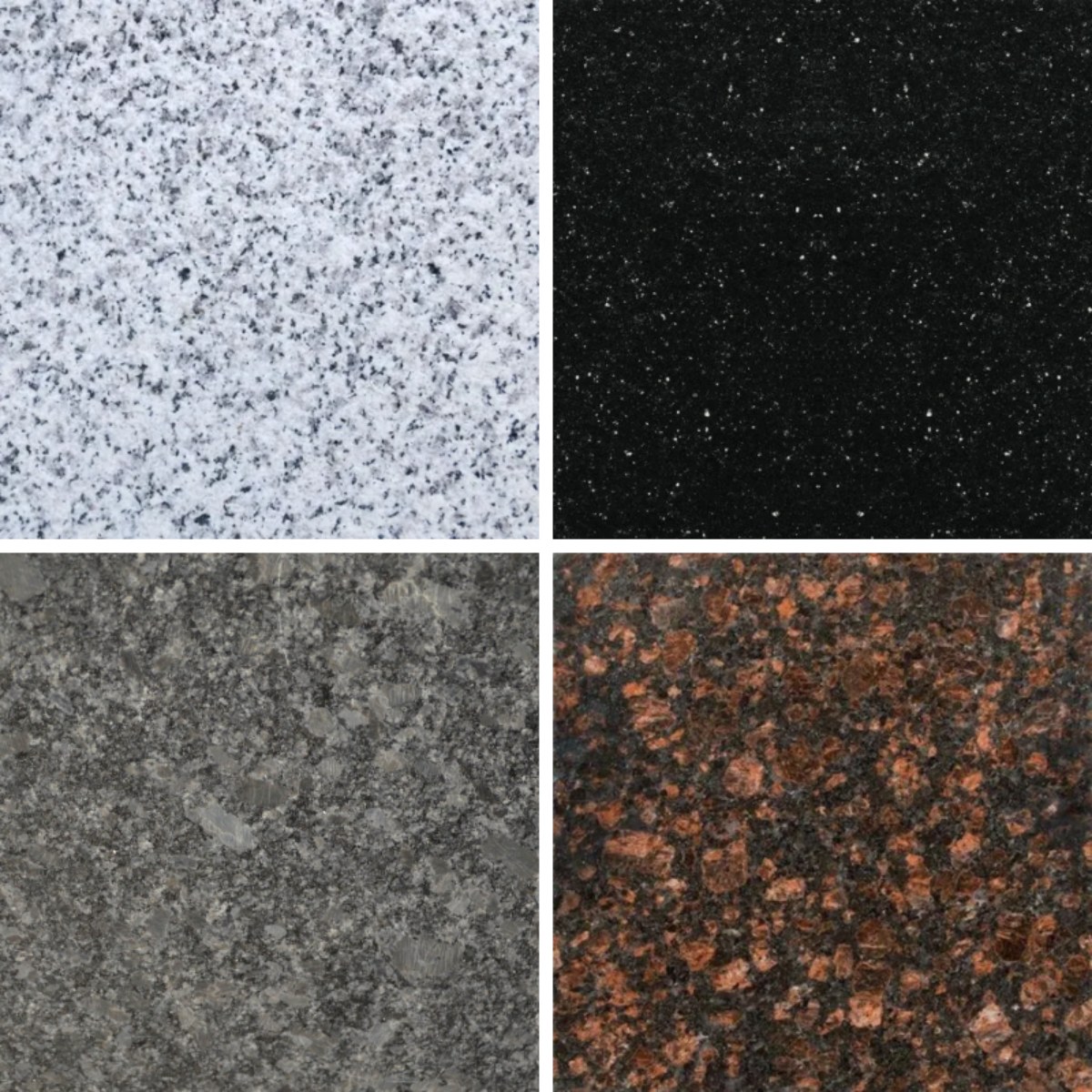
If you install countertops, vanities or flooring for a living, the price and quality of your granite decide your margin. Buying wholesale granite slabs directly from a quarry-side supplier can cut your material cost, give you a wider color range and keep your projects on schedule. This guide covers what US contractors, fabricators and distributors should check before placing a bulk granite order.
What "Wholesale Granite Slabs" Actually Means
Wholesale granite is stone sold in volume, usually by the container, bundle or square foot, to trade buyers rather than homeowners. Instead of picking one slab from a local showroom, you order a full lot of slabs cut from the same block. That gives you consistent color and veining across a large project, which matters for kitchens, hotel lobbies, office buildings and multi-unit housing.
Most granite slabs are offered in two thicknesses:
- 2 cm (about 3/4 inch): lighter and cheaper to ship, often used for vanities, wall cladding and backsplashes, usually with a laminated edge for countertops.
- 3 cm (about 1 1/4 inch): the standard choice for US kitchen countertops because it can span cabinets without plywood support.
Why Buy Granite Slabs Wholesale?
- Lower cost per square foot: buying by the container removes several middlemen.
- Color consistency: slabs from the same block match, so large jobs look uniform.
- Better stock planning: fabricators can keep popular colors on hand instead of waiting on each job.
- More choice: direct suppliers often carry colors that local yards don't stock.
Popular Granite Colors for US Projects
Demand in the US tends to follow a few clear groups:
- Black granite: classic absolute-black and black-galaxy styles for modern kitchens and commercial counters.
- White and grey granite: a durable alternative for buyers who want a light, marble-like look.
- Brown and gold granite: warm tones that suit traditional and farmhouse kitchens.
- Exotic granite: bold movement and rare colors for statement islands and feature walls.
You can browse current stone options in our Onyx, Marble & Granite collection.
How to Judge Granite Slab Quality Before You Order
1. Ask for full-slab photos and dimensions
Request photos of each slab in the lot, front-lit and in daylight, with length, width and thickness. Close-ups hide problems; full-slab shots show color shifts and veining.
2. Check for cracks, fissures and resin fills
Natural fissures are normal in granite, but open cracks are not. Many slabs are resin-treated to fill tiny pores. That is fine when done well, so ask the supplier how the slabs were treated.
3. Confirm the finish
Polished granite is the most common choice for countertops. Honed, leathered and flamed finishes are popular for flooring, outdoor work and a more modern look. Make sure the finish in the quote matches the finish in the photos.
4. Measure absorption and hardness needs
Granite is one of the hardest and most stain-resistant natural stones, which is why it works so well in busy kitchens. Lighter, more porous colors still benefit from sealing, so plan for that in your install.
For a side-by-side look at both stones, read our guide on granite countertops vs marble countertops.
Slabs, Tiles or Cut-to-Size?
Not every project needs full slabs. Choose the format that matches the job:
- Full slabs: best for countertops, islands and seamless vanity tops.
- Granite tiles: easier to ship and install for floors and walls.
- Cut-to-size pieces: ideal for repeat units such as hotel vanities, window sills and stair treads, which saves fabrication time on site.
Shipping Granite Slabs to the USA
Granite is heavy, so freight planning is part of the buying decision. A standard 20-foot container is usually limited by weight rather than space. Slabs travel upright in wooden A-frames or bundles to prevent breakage. Before you order, confirm:
- Packing method (A-frames, bundles or crates) and how slabs are protected
- Incoterms in the quote, such as FOB or CIF, so you know who pays freight and insurance
- Your destination port and how the container reaches your yard
- Customs paperwork, including the commercial invoice, packing list and certificate of origin
We explain the full process in how shipping works when you order natural stone.
Questions to Ask a Wholesale Granite Supplier
- What is the minimum order quantity?
- Are all slabs in my order cut from the same block?
- Can you send photos and measurements of the exact slabs I will receive?
- What thickness tolerance do you work to?
- How are slabs packed, and who covers breakage in transit?
- What is the lead time from order to shipment?
- Can you supply matching tiles or cut-to-size pieces for the same project?
Where Granite Works Best
- Kitchen countertops and islands
- Bathroom vanities and shower surrounds
- Commercial reception desks, bar tops and restaurant counters
- Flooring in high-traffic entryways and lobbies
- Outdoor kitchens, steps and paving, especially with a flamed or leathered finish
Planning a hospitality or office job? Our guide to natural stone for commercial spaces covers what changes at scale. For outdoor use, see natural stone outdoors: what holds up best.
Why Source Granite Through Minerals Route
Minerals Route supplies natural stone, including granite, marble and onyx, to trade buyers in the US and worldwide. We work with contractors, fabricators, designers and distributors who need dependable stone in volume, clear photos before shipment and help with export logistics. To get pricing on wholesale granite slabs, contact our team with your colors, sizes and quantity.
Frequently Asked Questions
What is the standard thickness of granite slabs?
The most common thicknesses are 2 cm and 3 cm. In the US, 3 cm is the usual choice for kitchen countertops, while 2 cm is common for vanities, cladding and backsplashes.
Is it cheaper to buy granite slabs wholesale?
Yes, in most cases. Buying in bulk from a direct supplier lowers the price per square foot because fewer middlemen are involved, although you need to factor in freight and import costs.
Do granite slabs need sealing?
Many granites are dense and naturally stain-resistant, but lighter and more porous colors should be sealed after installation and resealed from time to time to protect against stains.
How are granite slabs shipped internationally?
Slabs are packed upright in wooden A-frames or bundles and loaded into shipping containers. Containers are usually limited by weight, so the number of slabs depends on thickness and size.
Can I order granite tiles and slabs together?
Yes. Many trade buyers combine slabs for countertops with matching tiles or cut-to-size pieces for floors and walls in one order, which keeps the color consistent across the project.