Onyx and marble are both natural stones made mostly of calcium carbonate, and both take a beautiful polish. The big difference is light: onyx is translucent and glows when lit from behind, while marble is opaque. That single property shapes where each stone works best, how much it costs and how you should care for it.
As a quarry-to-container supplier of onyx, marble and granite since 2010, we get this question from importers, fabricators and designers every week. Here is a clear, practical comparison.
Onyx vs Marble at a Glance
- How it forms: Onyx – layered calcite deposits from mineral-rich water in caves and springs. Marble – limestone transformed by heat and pressure deep underground.
- Look: Onyx – bold colour bands in green, honey, white or pink. Marble – soft veining on white, grey, cream, black or green.
- Translucency: Onyx – translucent and can be backlit. Marble – opaque.
- Hardness (Mohs): Onyx – about 3. Marble – about 3–4.
- Durability: Onyx – more delicate; scratches and etches more easily. Marble – harder-wearing; better for floors and daily use.
- Best uses: Onyx – feature walls, bars, reception desks, vanities, decor. Marble – floors, walls, countertops, stairs, bathrooms.
- Availability: Onyx – rarer, with smaller blocks and slabs. Marble – widely quarried, with larger, more consistent slabs.
- Relative cost: Onyx – usually higher. Marble – usually lower to mid-range.
Is Onyx a Type of Marble?
Not strictly. Geologically, true marble is metamorphic rock, while onyx is a banded form of calcite laid down layer by layer. In the stone trade, though, onyx is often sold as "onyx marble" because it is cut, polished and installed like marble. When you see "onyx marble" on a product, it means onyx with a marble-style finish.
Appearance: Banding vs Veining
Onyx has dramatic, flowing bands of colour that look almost like liquid. Popular colours include green onyx with white and gold streaks, warm honey onyx, soft white onyx and pink onyx.
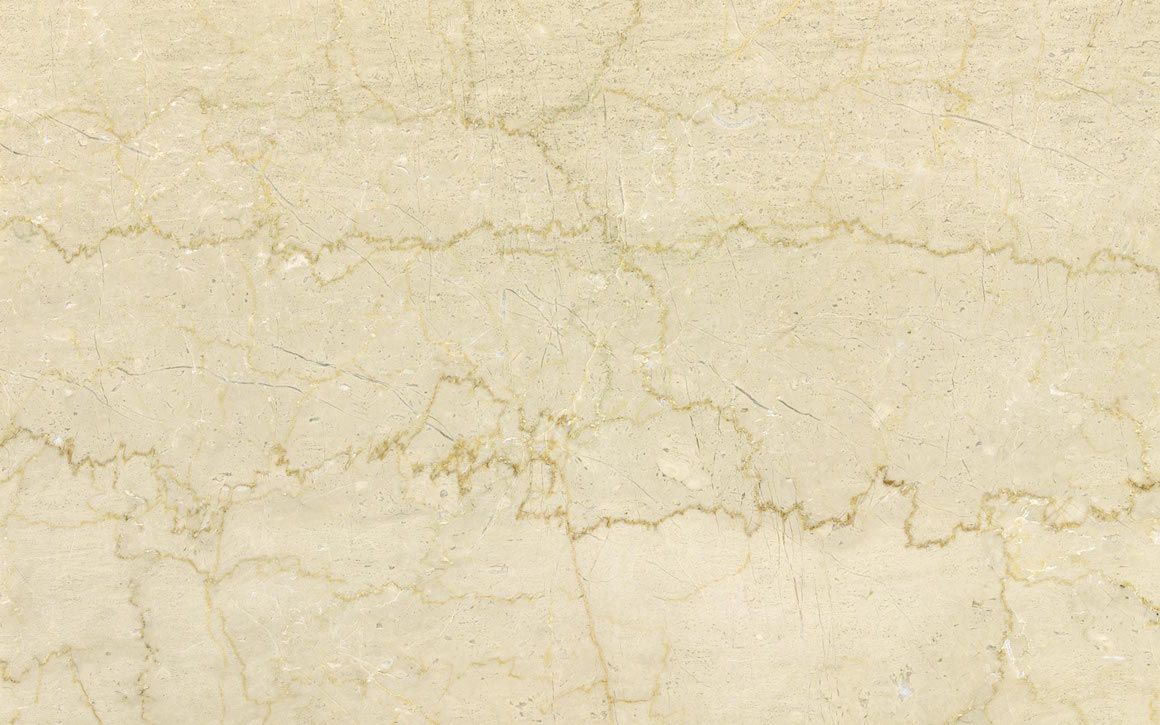
Marble has finer veining over a more even base colour. Classic choices include white marbles with grey veins, warm cream marbles such as Botticino, and deep reds and blacks. Marble gives a calm, timeless look; onyx makes a statement.
Translucency: The Onyx Advantage
Because light passes through onyx, it can be backlit with LED panels. A backlit onyx wall or bar front glows with the stone's natural pattern, which is why hotels, restaurants, spas and luxury homes use it as a centrepiece. Marble cannot do this at normal slab thickness.
Durability and Hardness
Both stones are softer than granite and sensitive to acids such as lemon juice, vinegar and some cleaners. Onyx is the more delicate of the two: it scratches and chips more easily and is more brittle, so many onyx slabs are reinforced with a mesh or resin backing.
Marble is tougher and better suited to floors, stairs and bathrooms with regular foot traffic. For busy kitchen worktops, granite is still the most forgiving choice.
Where to Use Onyx and Where to Use Marble
Choose onyx for:
- Backlit feature walls and lobby walls
- Bar fronts, bar tops and reception desks
- Bathroom vanities and accent walls
- Tabletops, lamps, vases and decor pieces
Choose marble for:
- Floors and stairs (see our onyx and marble flooring guide)
- Bathroom walls, showers and vanities
- Kitchen backsplashes and low-traffic countertops
- Large-format wall cladding
Many projects combine both: marble for the main surfaces and onyx as a glowing accent.
Cost: Why Onyx Usually Costs More
Onyx is rarer, forms in smaller deposits and has a higher waste rate during cutting, because the bands can crack and only the best pieces make clean slabs. Backlit-grade slabs need even translucency, which narrows supply further. Marble is quarried in much larger volumes, so prices are lower and slab sizes more consistent.
Your actual price depends on colour, grade, slab size, thickness, finish and order volume. Buying factory-direct from the source country cuts out importer and distributor margins, which matters most on container orders.
Care and Maintenance
- Seal both stones after installation and reseal periodically.
- Wipe up acidic spills quickly to avoid dull etch marks.
- Clean with a pH-neutral stone cleaner, never vinegar or bleach.
- Use coasters, trays and cutting boards on onyx and marble surfaces.
- For backlit onyx, choose LED lighting, which stays cool and gives even light.
Which Should You Choose?
Pick onyx when you want a show-stopping, light-filled feature and the surface will see light use. Pick marble when you need a classic look that handles more everyday wear, over larger areas, at a lower cost. If you are still deciding, read how to choose the perfect marble slab and the 7 costly mistakes to avoid when buying from an onyx marble supplier.
Frequently Asked Questions
What is the main difference between onyx and marble?
Onyx is translucent with bold colour bands and can be backlit; marble is opaque with softer veining and is more durable for everyday surfaces.
Is onyx more expensive than marble?
Usually, yes. Onyx is rarer, comes in smaller blocks and has more waste during cutting, so it typically costs more per square metre than most marbles.
Is onyx stronger than marble?
No. Onyx is softer and more brittle than marble, which is why it is best for walls, bars, vanities and decor rather than busy floors or kitchen worktops.
Can onyx be used for kitchen countertops?
It can, but it needs sealing and careful use because it scratches and etches easily. For heavy daily kitchen use, granite or marble is more practical.
Can marble be backlit like onyx?
Not at standard thickness. Some very thin white marble panels let a little light through, but onyx gives a far stronger, more even glow.
What is onyx marble?
It is a trade name for onyx that is cut, polished and installed like marble. Geologically it is banded calcite rather than true metamorphic marble.
Do you supply onyx and marble to the USA and Australia?
Yes. Minerals Route supplies onyx and marble slabs, tiles and finished pieces wholesale and ships to the USA, Australia and worldwide.
Ready to source? Browse our onyx, marble and granite collection or request a wholesale quote. We ship slabs, tiles and finished pieces to the USA, Australia and buyers worldwide.